Preparing a Whanganui home for sale: what buyers notice first

Preparing a home for sale is less about making it look unfamiliar and more about making its strengths easy to see. Whanganui has a broad mix of housing, from villas and bungalows to brick family homes, hillside properties and coastal houses. Each has different features worth highlighting, but buyers tend to respond well to the same fundamentals: good maintenance, useful space, natural light and a home that feels straightforward to understand.
Start with the property buyers will actually see
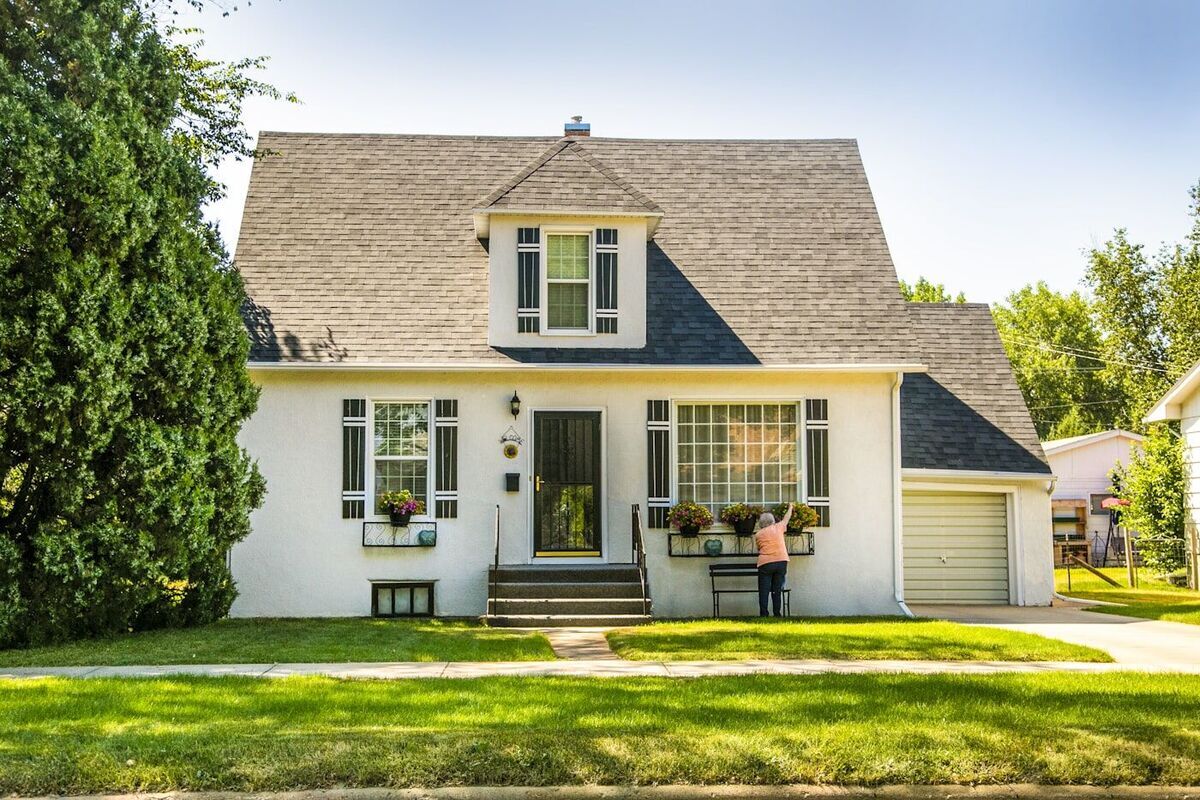
Walk outside and approach the property as though you have never visited it before. The front fence, letterbox, path, driveway, lawn, planting and entrance create the first impression before anyone reaches the front door. Small jobs such as trimming overgrown plants, clearing leaves, washing paths and dealing with obvious exterior maintenance can make the property feel better cared for without turning the preparation process into a major renovation.
Whanganui's established suburbs contain many homes where age and character are part of the appeal. Original timber, decorative features and mature gardens do not necessarily need to be replaced or modernised. The aim is to remove distractions. Peeling paint, loose fittings, blocked gutters or an untidy entrance can pull attention away from features that should be helping the property.
Make the presentation suit the home and neighbourhood
A Springvale family home may need to communicate practical living, storage and outdoor space. A Saint Johns Hill property may benefit from attention to sun, outlook and established gardens. In Castlecliff, sheltered outdoor areas and the condition of exterior materials can be particularly relevant. On Durie Hill, buyers may want to understand access, parking, elevation and how the house relates to its site.
That does not mean filling the marketing with a long list of claims. It means preparing the home so those qualities are visible. If a living room has good afternoon light, avoid covering the windows with heavy furniture. If there is useful garaging or workshop space, make it accessible. If the section is a strength, clear unnecessary outdoor clutter so buyers can understand the shape and scale of the land.
Inside, space usually reads more clearly when rooms have an obvious purpose. A spare room used partly as an office, storage room and exercise area can leave buyers uncertain about its size. Removing excess furniture and personal storage can help. The goal is not an empty house. A small amount of well-positioned furniture often makes the proportions of a room easier to judge.
Remove avoidable questions before buyers arrive
Buyers notice maintenance because unresolved maintenance creates uncertainty. Loose handles, dripping taps, blown light bulbs and doors that do not close properly may each be minor, but together they can make a property feel less settled. Completing straightforward repairs before photography also prevents those issues becoming permanent features of the online presentation.
Cleanliness matters for the same reason. Kitchens and bathrooms deserve particular attention, but windows, skirtings, flooring, light fittings and exterior glass also contribute to the overall impression. In older homes, a thorough clean can bring out timber, joinery and other original features without changing what makes the property distinctive.
Think about air and temperature as well as appearance. A home that has been closed for several days can feel stale, particularly in winter. Ventilation, natural light and comfortable room temperatures help buyers spend more time looking at the house rather than thinking about the environment inside it.
Plan the photographs and the first inspection together
Photography should show the layout and strengths of the property accurately. Before the photographer arrives, look through each room from the likely camera position. Benchtops, bedside tables, bathroom surfaces and floors usually benefit from having fewer objects on them. Outside, move bins, hoses and temporary items that add visual clutter without explaining anything useful about the home.
The same preparation should still work when buyers arrive in person. Avoid styling a room in a way that looks attractive in one photograph but makes it awkward to walk through. Clear paths between rooms, accessible wardrobes and garages, and tidy outdoor areas help buyers examine the property properly and picture how they would use it.
A well-prepared Whanganui home does not need to look like a display home. It should look cared for, understandable and ready for buyers to explore. Focus first on maintenance, cleanliness, light and space. Then make sure the features that matter for that particular house, street and suburb are easy to recognise.